Embracing retro in modern photography.
In recent years, photography has embraced a trend that feels both familiar and refreshingly distinct: the revival of vintage aesthetics. From the soft grain of film to warm tones and faded colours that evoke old-school charm, the vintage look is everywhere. But this isn’t just a passing phase; it’s a rediscovery of the subtle magic that older techniques bring to modern images. In this post, I’ll dive into why vintage photography is making a comeback, how to achieve the look, and ways to make it your own.
Why Vintage Photography is Back.
This trend is not just about replicating the past; it’s about capturing a feeling that vintage aesthetics evoke. Vintage photography transports us to a different time, a different mindset—a place where photos were cherished as tangible memories. In a fast-paced, digital world, there’s something irresistible about the imperfect and tactile quality of analogue photography. This nostalgia is a huge draw, appealing to those who crave a slower, more intentional approach to art.
There are a few key reasons why vintage photography has made its way back into our viewfinders:
- A Break from Digital Perfection: Digital photography is sharp and precise, but sometimes too much perfection can feel sterile. Vintage images offer an antidote, with their warmth, softness, and grain—a reminder of a time when photos weren’t perfectly polished.
- Mindfulness and Sustainability: Film photography, a major aspect of vintage aesthetics, encourages us to slow down and consider each shot. With a finite number of frames, film asks us to be thoughtful and intentional, and this mindful approach adds depth to the creative process.
- Digital Tools for the Analogue Look: Modern editing tools make it possible to bring a vintage feel to digital images. With film emulation presets, even smartphone photos can achieve that nostalgic look, making vintage style accessible to everyone.
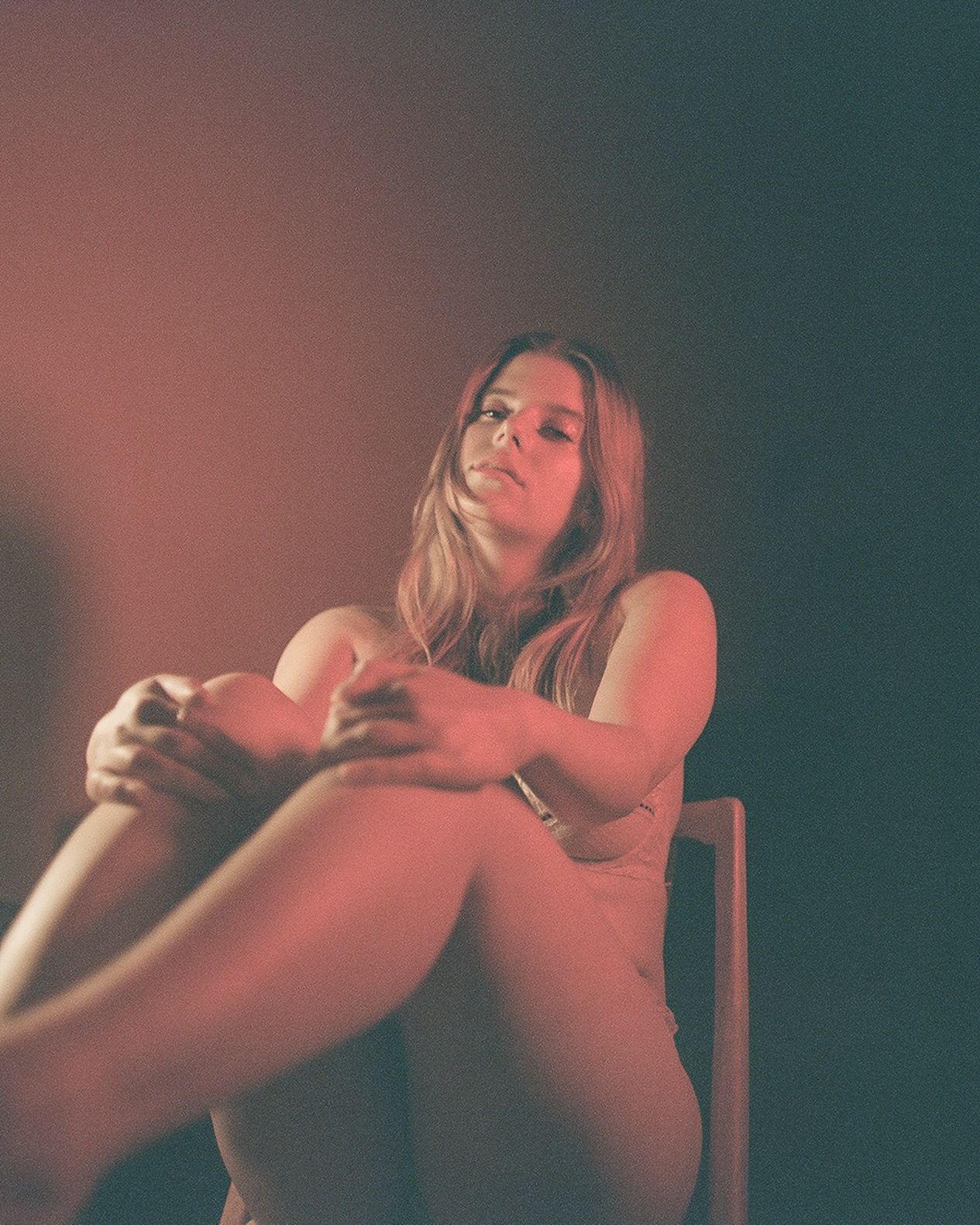
Techniques for Achieving the Vintage Look: A Blending of Old and New
To achieve a vintage look in photography, you have two main paths: embracing the analogue experience with actual film or using digital tools to recreate that classic charm. Both approaches have their own unique appeal and offer a different kind of authenticity. Analogue film brings the tactile, organic qualities of old-school photography, with its natural grain, rich textures, and unpredictable quirks. Meanwhile, the digital route allows for greater flexibility and control, letting you apply vintage-inspired edits that mimic film’s distinctive tones and textures while maintaining the convenience of modern technology. Whether you choose film or digital, each approach offers a way to create photos that feel timeless and transportive.
Shooting on Film: The Authentic Path
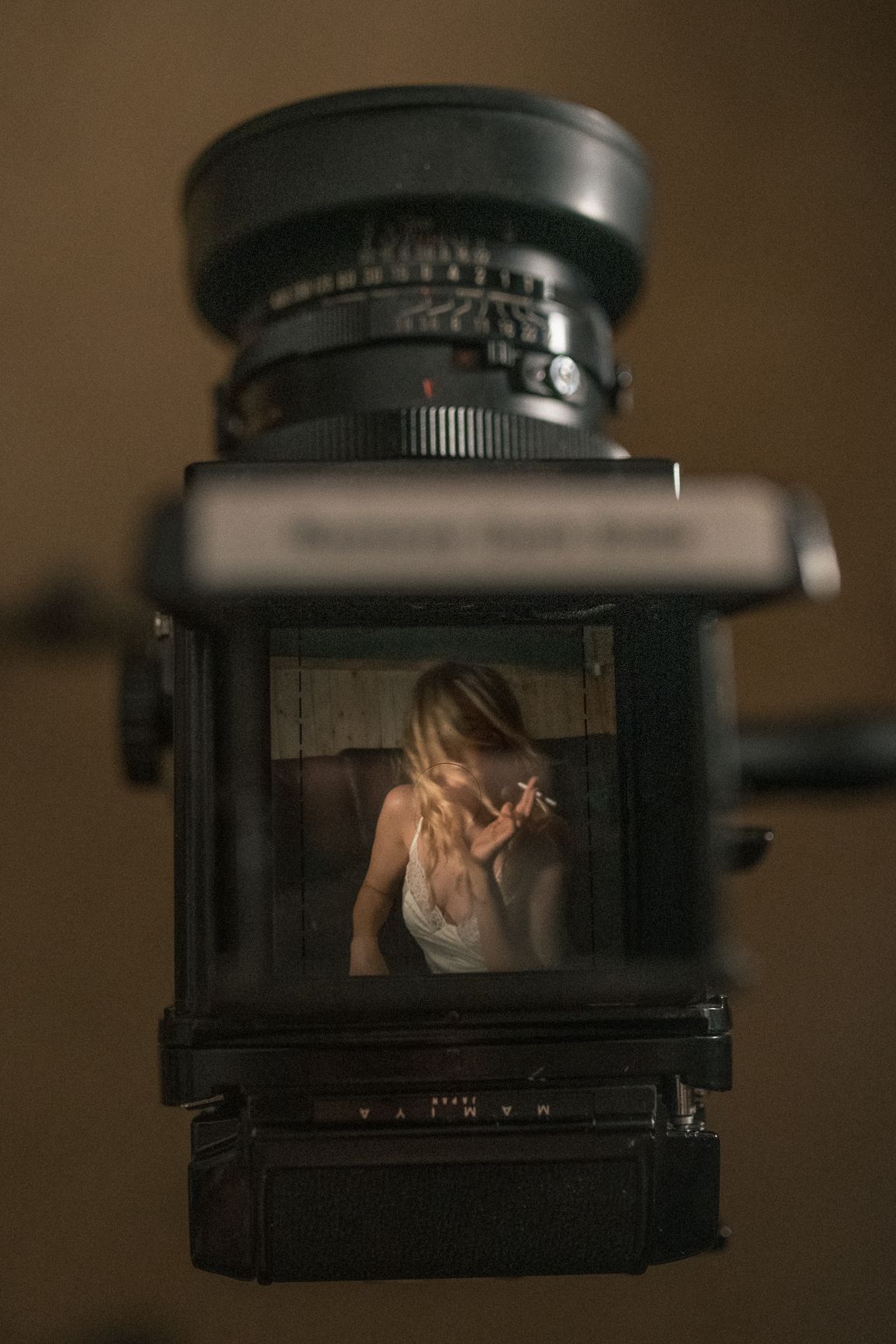
If you have access to a film camera, experimenting with film can be a transformative experience. Film photography requires patience and careful consideration; loading the film, shooting each frame with intention, and waiting for the results is a journey that digital can’t replicate. Each film stock, whether it’s Kodak Portra for those warm skin tones or Ilford HP5 for classic black-and-white, brings its own character to an image.
Shooting film isn’t for everyone—there’s a financial and time commitment involved—but for those willing to try it, the results are worth it. There’s a unique satisfaction in holding a physical print that digital simply can’t match.
Emulating Film: Digital Techniques
For those who prefer digital but still want a vintage feel, film emulation software is a fantastic tool. Lightroom, Capture One, and apps like VSCO offer presets that mimic classic film stocks, allowing you to create subtle grain, warm tones, and faded contrasts.
When editing, I typically reduce contrast slightly, add a bit of grain for texture, and warm up the colour temperature for a more organic feel. Avoid heavy edits; vintage aesthetics work best with a light touch that feels natural and unforced. A bit of softness in the focus and a gentle fade in shadows can go a long way in adding to that timeless look.
Mastering the Vintage Mood: Colours, Grain, and Soft Light
Achieving the vintage look comes down to a few essential elements: colour, texture, and lighting. Each plays a role in creating a soft, nostalgic mood.
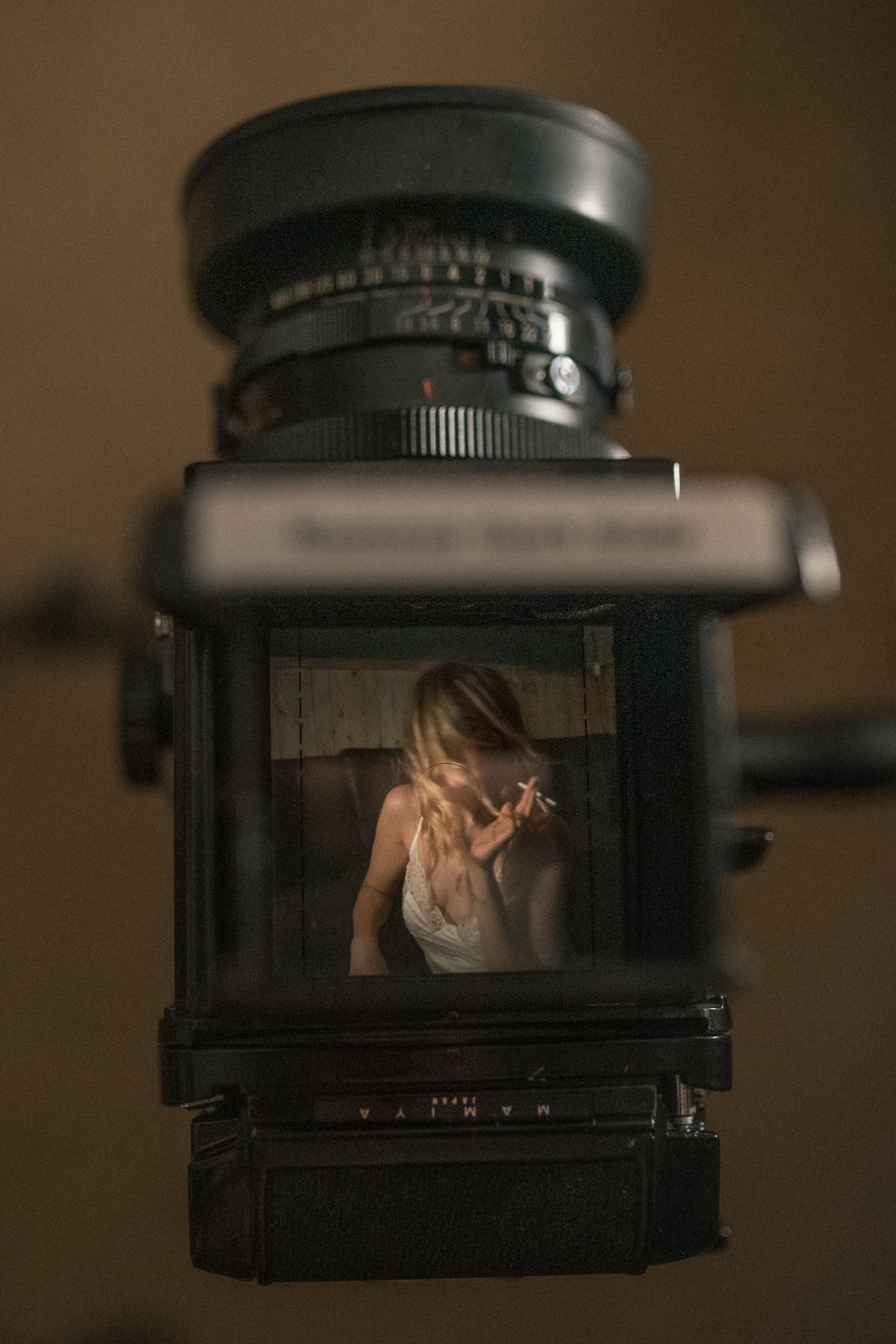
I. Colour and Tones.
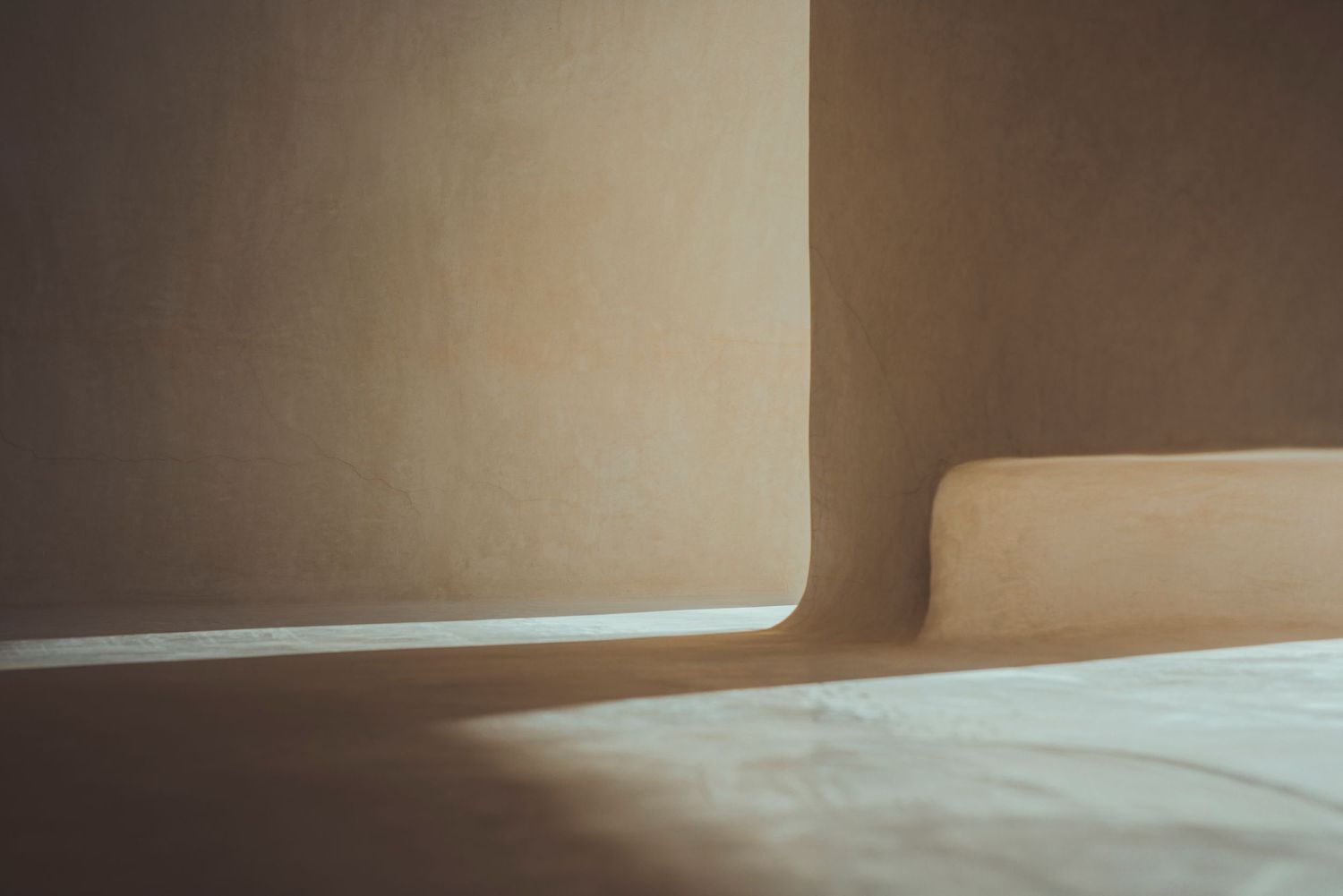
Vintage photos often have muted colours, leaning towards warm yellows, browns, and faded pinks. When editing, I usually reduce the saturation of greens and blues, as this gives a faded quality that feels authentic. Shifting the temperature towards warmer tones creates that aged look, as though the image has mellowed over time.
II. Grain.
Grain is a hallmark of vintage photography. Film naturally produces grain, adding a textured, tactile quality that digital images lack. When adding grain to a digital photo, keep it subtle—a light layer adds character without overwhelming the image.
III. Lighting and Shadows.
Lighting is crucial in setting the mood. Natural lighting, particularly during golden hour, provides a soft, diffused glow perfect for vintage aesthetics. Shadows, too, play an important role; they add depth and mystery, which can enhance the overall feel of the image. Embracing shadows rather than eliminating them creates drama and helps evoke that classic look.
Bringing It to Life
Styling, Props, and Personal Touches
Vintage aesthetics aren’t just about editing—they’re about storytelling. Props, styling, and context bring a whole new level of authenticity to your images. Adding elements like old books, vintage clothing, or classic cars can instantly transport viewers to another era.
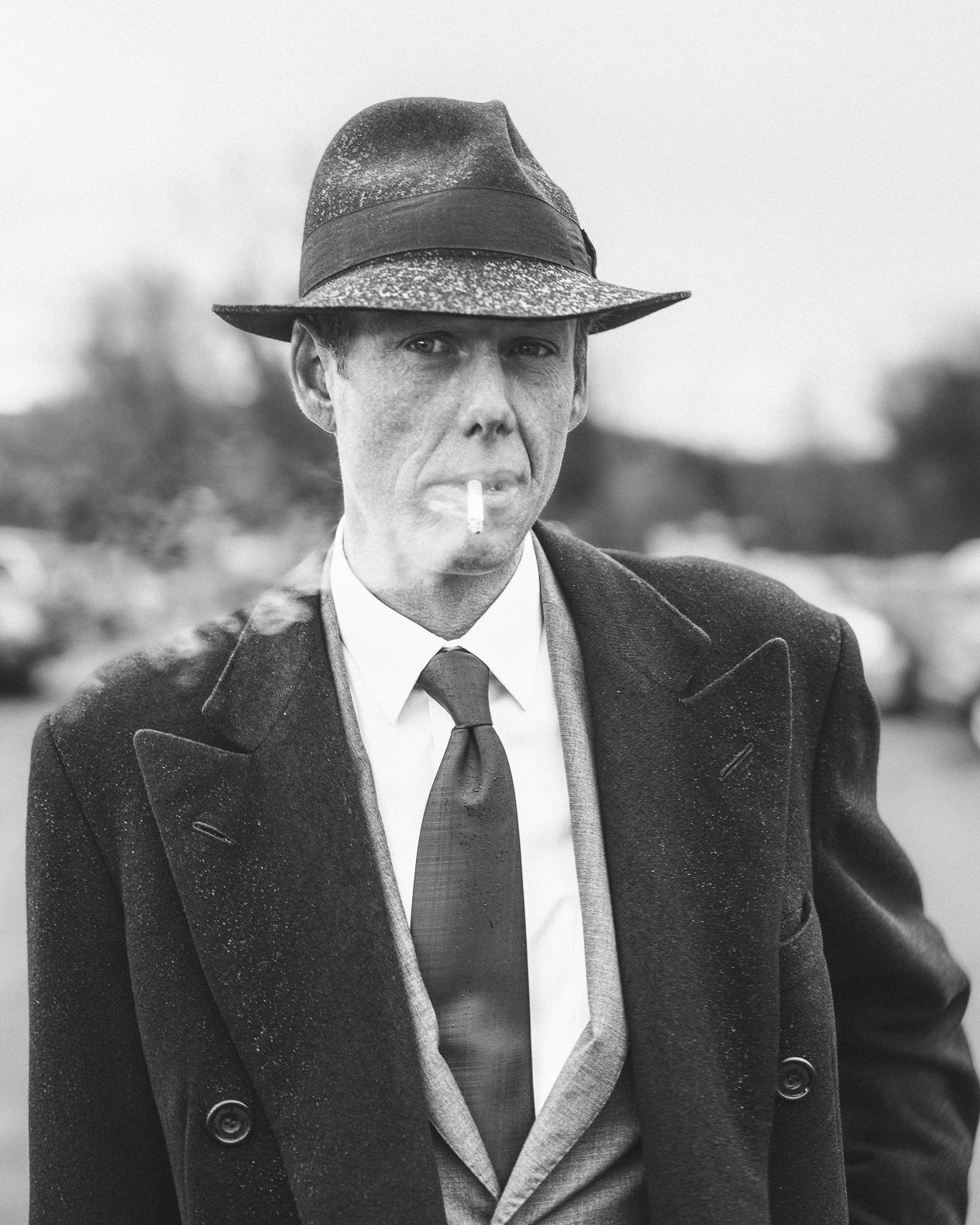
For portraits, the styling of your subject is key. Imagine a subject in a lace dress or a retro suit; suddenly, with a bit of soft-focus editing, you’ve created a scene that feels like it’s from another time. Even in modern settings, these small touches can evoke the past and add depth to the story.
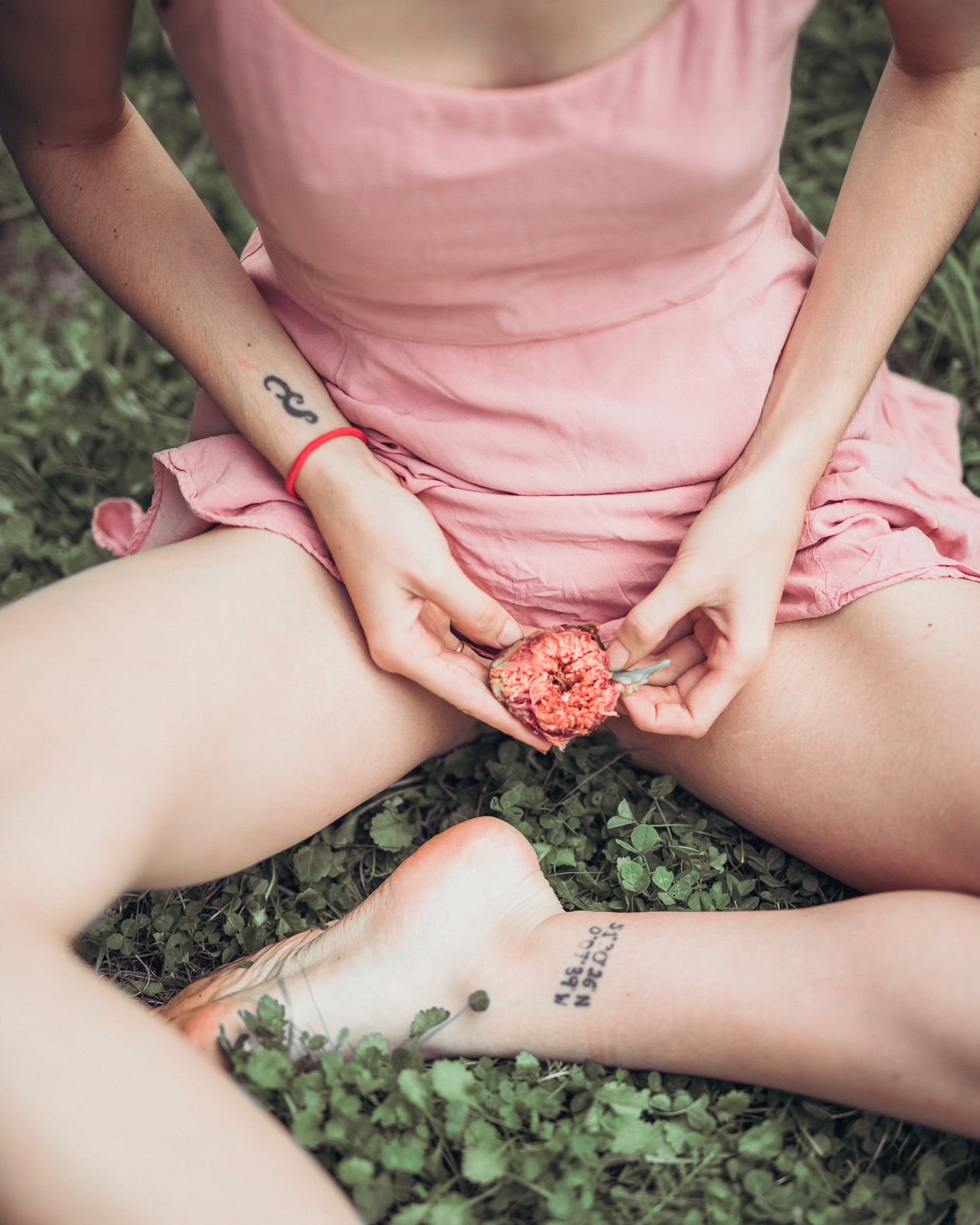
Types of Vintage Photography Styles and Their Unique Appeal
The vintage aesthetic is incredibly versatile, and it can work beautifully across a range of photography styles. Here are a few approaches to explore:
70s-Inspired Portraits
Warm, grainy, and slightly overexposed, 70s-inspired portraits have a natural, free-spirited vibe. The colours lean towards earth tones, and the grain adds a soft, inviting texture. Using natural light and soft contrasts, this style is perfect for capturing people in an unguarded, intimate way.
Classic Black-and-White
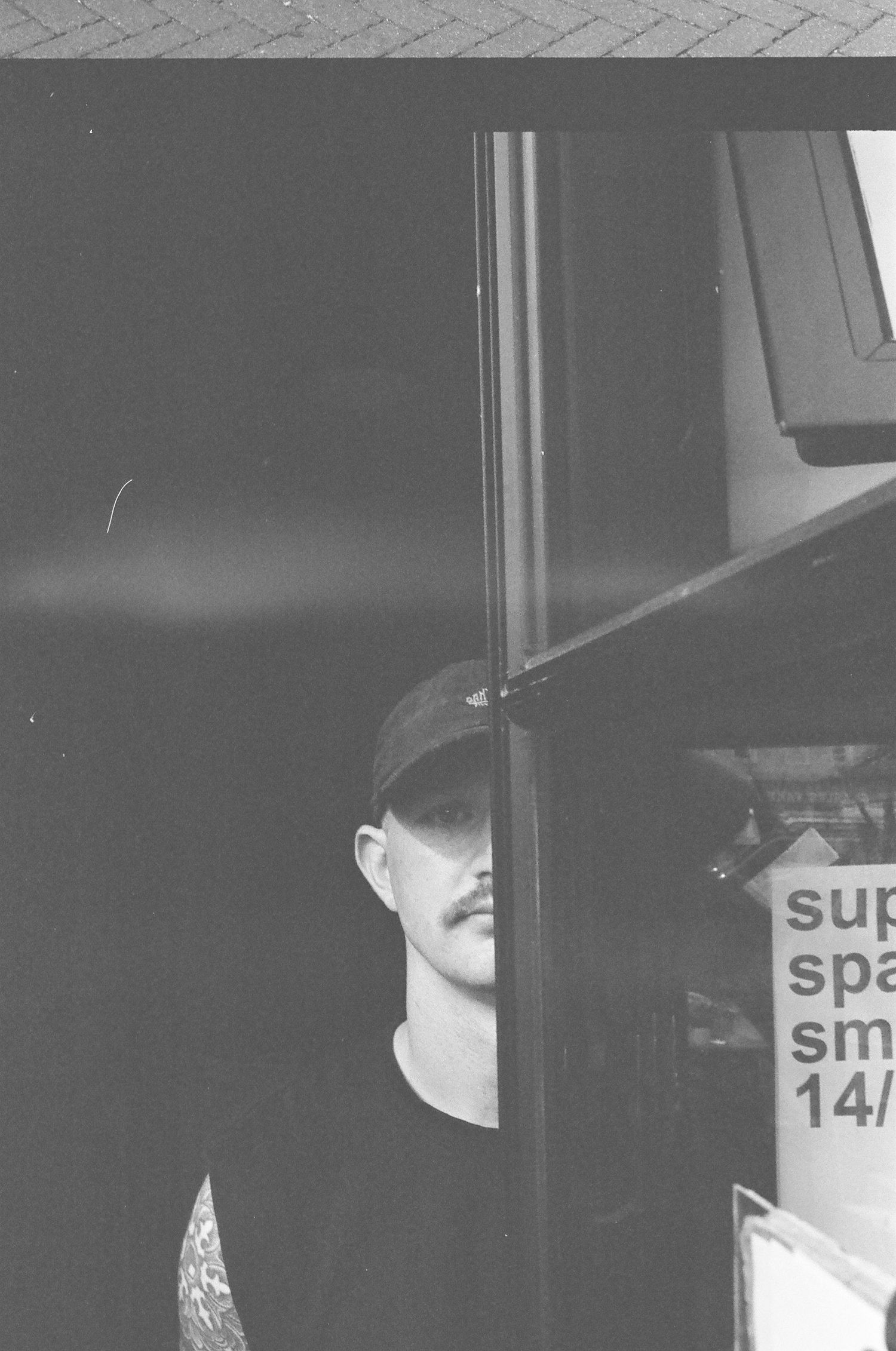
Black-and-white photography has a timeless appeal, and for a vintage look, focus on creating rich blacks and soft whites. Without colour, viewers are drawn to shapes, textures, and emotions, making this style perfect for storytelling and expressive portraits.
Polaroid and Instant Film Style
Instant film is the ultimate nostalgic medium, capturing life’s spontaneous moments with all their imperfections. For digital photographers, there are plenty of ways to replicate this effect—by adding borders, using square crops, or applying instant film-inspired filters. Polaroid-style images feel playful and candid, making them perfect for lifestyle or travel photography.
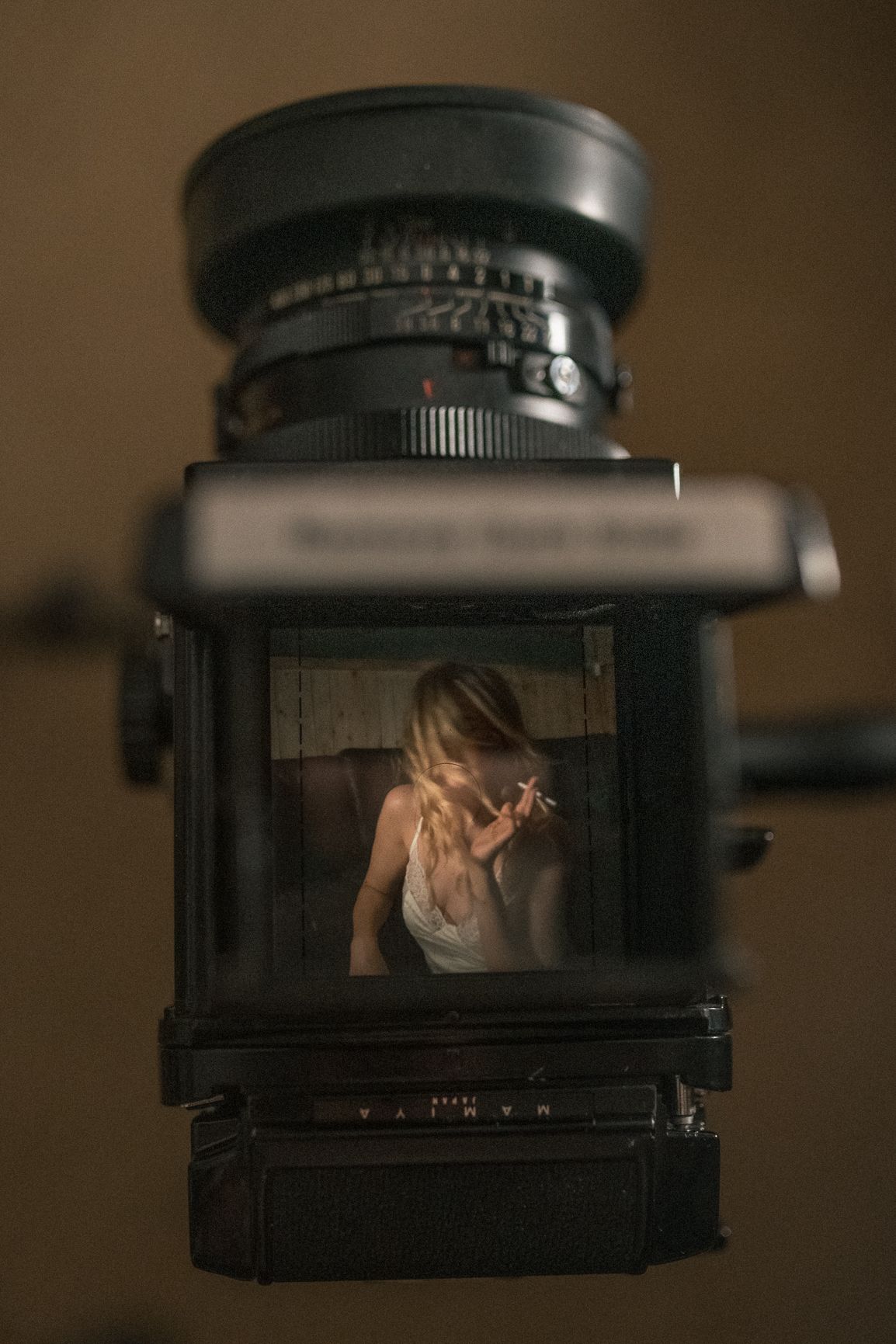
Explore My Analogue Portfolio
Discover the beauty of film in my curated collection.
Why I Love Vintage Photography—and Why You Might, Too
For me, the vintage aesthetic is a doorway to a different time and place. It’s not about perfectly crisp images or flawless compositions; it’s about capturing a feeling, an emotion, a memory. There’s something profoundly human in the imperfections and textures that come with vintage styles. These images remind me—and hopefully the viewer—that life is beautifully imperfect.
Embracing this style can add a unique character to your work, whether you’re a photographer or simply a viewer. The beauty of vintage is that there’s no one right way to achieve it. It’s a blend of technique, emotion, and intuition—a personal art form that invites us to slow down, pay attention, and appreciate the charm of simpler times.
If you’re interested in bringing that sense of nostalgia into your own memories, I’d love to help capture your story. Explore our portfolio or book a session with us to create something beautifully timeless together.