Step 01
Connect
We start with a conversation about your work, your goals, and what kind of support would actually be useful.
I take a holistic approach to projects of all sizes. That means I’m not only thinking about the immediate deliverable, but also about the wider picture: the people involved, the purpose behind the work, the practical realities of your time and capacity, and how everything needs to function once it’s out in the world. I’m interested in creating work that feels calm, useful, and genuinely supportive — not overcomplicated for the sake of it.
No two projects follow exactly the same route, but most move through a similar rhythm: we begin by getting clear on what matters, shape the work around that, build or create with intention, and then make sure what’s delivered is actually useful in practice. The goal is to keep the experience collaborative, transparent, and grounded from beginning to end.
Step 01
We start with a conversation about your work, your goals, and what kind of support would actually be useful.
Step 02
I shape the scope around what matters most, identifying the clearest route forward and the right level of support.
Step 03
Once the direction is set, I move into the practical work with care, keeping things collaborative and transparent.
Step 04
We review, adjust, and make sure the outcome feels aligned, usable, and true to the purpose it needs to serve.
Step 05
Final work is delivered clearly, with handover, guidance, or next steps so you can move forward with confidence.
From first conversation to final delivery, I try to make each stage clear, collaborative, and easy to move through.
Every project starts by understanding where you are now, what you’re trying to create or improve, and what you need the work to do. Sometimes that begins with a very clear brief; other times it begins with a feeling that something needs to shift. Either way, I use this stage to listen carefully, ask useful questions, and get a sense of the wider picture.
Once the shape of the project is clearer, I translate that into a practical next step: a proposal, a plan, a shoot outline, a build scope, or a way of working that feels manageable and grounded. I’m always trying to find the right balance between ambition and realism, so the project feels well-considered rather than overloaded from the start.
This is the stage where the work begins to take form, whether that means photographing, designing, building, refining systems, or mentoring through a practical challenge. I prefer a collaborative process with clear communication and enough structure to feel steady, while still leaving room for instinct, insight, and necessary adjustments as the work develops.
The final stage is about making sure the work lands well in the real world. That might mean delivering a gallery, launching a site, handing over files, documenting a setup, or making sure you know how to use what we’ve created. I want the end of the project to feel clear and complete, with enough support that you can carry things forward confidently.
Good work usually benefits from a layer of reflection. Once the first version or main body of work is in place, we review what’s there, make space for feedback, and refine what needs strengthening. I approach this stage as part of the creative and practical process, not just a box to tick at the end.
Not at all. Many projects begin before everything is fully defined, and part of my role is helping shape the next step clearly.
Not exactly. The overall rhythm is similar, but the details shift depending on whether we’re working on photography, web, automation, mentoring, or a combined package.
Very. I want the process to feel supportive and transparent, with enough input and communication that the work stays aligned as it develops.
That depends on the project, but where needed I can provide handover guidance, follow-up support, or ongoing help beyond the initial scope.
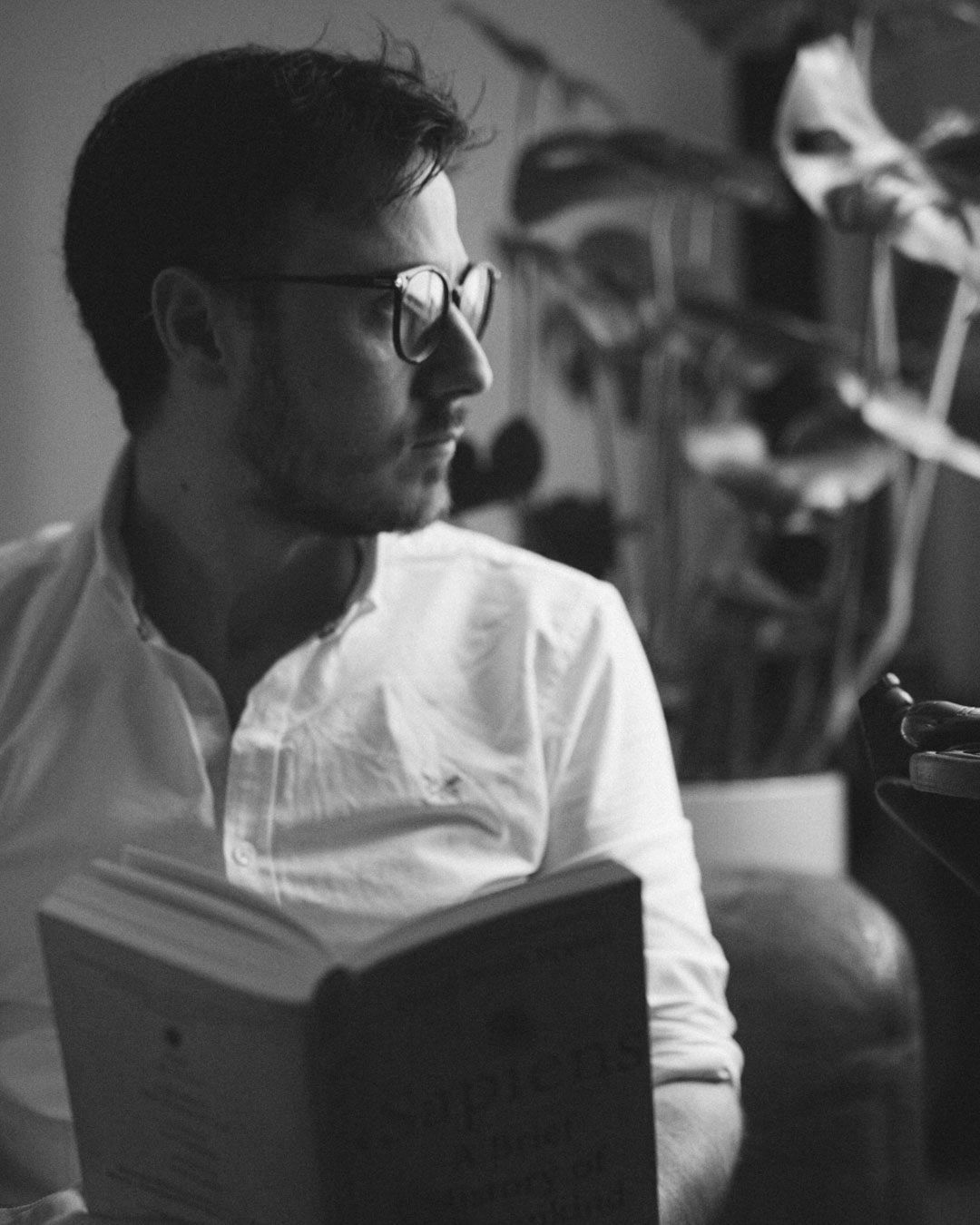
If you’re curious about working together, the best place to begin is a conversation.
We can talk through where you are, what you need, and what kind of process would make the most sense for the work ahead.